


Reading opponents in online poker does not mean knowing a Kuwaiti player’s cards with certainty. It means analyzing their betting patterns, the timing of their decisions, and what changes from one stage to another. When a Kuwaiti player raises before the flop and continues applying pressure after the flop, suddenly stops on the turn, or places a large bet on the river, they provide information that can be used to narrow down the possibilities and make a more accurate decision.
In this article, we will explain the most important scenarios that help you read your opponents, what can be understood from each betting pattern, and the best decision in each case. We will also explain what the same action may mean if the initial read is incorrect. Then, we will move on to recurring decisions, a quick comparison table, and practical tips to reduce losses for Kuwaiti players.
Casinos That Offer Online Poker

Bonus up to
$3,500

Bonus up to
$5,000

Bonus up to
$2,000
Scenarios and What Can Be Understood to Make the Most Accurate Decision
No single move can reveal an opponent’s entire hand. However, reading opponents in online poker does not depend on understanding poker strategies. It becomes more accurate when you connect the beginning of the round with the flop, turn, and river. You should always review the bet size, the community cards, the Kuwaiti player’s position at the table, and whether the decision is recurring or unusual.
Raising Before the Flop and Continuing After the Flop
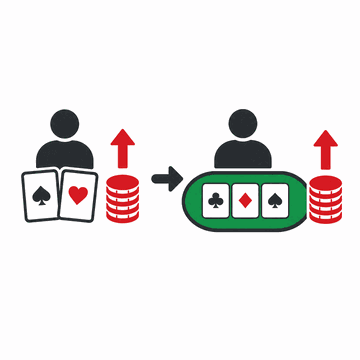
When a Kuwaiti player raises before the flop and continues betting after the flop appears, they are often trying to maintain pressure. This action may mean that they have a high pair, that the flop helped their cards, or that they are using a continuation bet because they started the round as the aggressor.
When reading opponents, you should not consider a post-flop bet sufficient evidence of strength. Some Kuwaiti players bet after the flop almost automatically, especially when only a few players remain in the round. Therefore, pay attention to the bet size and their previous playing patterns.
| Flop Structure | What Could a Continuation Bet Mean? |
| High cards such as A, K, and Q | They may have a high pair or two strong cards |
| Low and disconnected cards | It may be a continuation bet without a made hand |
| Connected cards such as 7, 8, and 9 | They may be trying to protect their hand or apply pressure before a straight is completed |
| Two cards of the same suit | They may have a flush draw or be trying to stop you from continuing |
Best Possible Decision
If your hand is weak and you do not have a clear opportunity to improve, folding is often the best decision. However, if you have a middle pair or a chance to complete a straight or flush, calling may be reasonable if the bet size is suitable.
When reading opponents in online poker, do not raise simply because you suspect that the Kuwaiti player is exaggerating their strength. Raising requires a clear reason, such as having a strong hand or noticing that the player frequently folds under pressure.
Raising Before the Flop and Then Stopping After the Flop
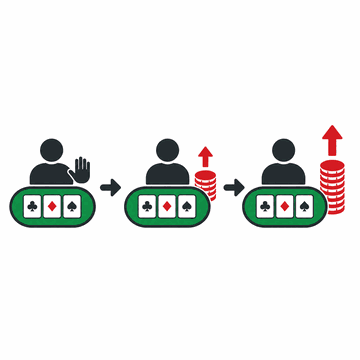
A Kuwaiti player may raise before the flop and then choose to check after the flop appears. This may mean that the community cards did not help them, especially if the flop contains low cards while the Kuwaiti player usually relies on high cards.
However, stopping does not always indicate weakness. Some Kuwaiti players check with a high pair to control the size of the pot. They may also use a check with a very strong hand to encourage you to bet instead.
Best Possible Decision
If you are in a late position and the flop does not appear to help the Kuwaiti player’s range, you can place a small bet to test their willingness to continue. You do not need a large amount because the goal is to find out whether they will fold or call.
If they call quickly and then become more active on the turn, you should update your read. Reading opponents in online poker is not a final decision based on the first move. It requires continuous adjustment after each stage.
A Small Bet on the Flop Followed by a Large Bet on the Turn
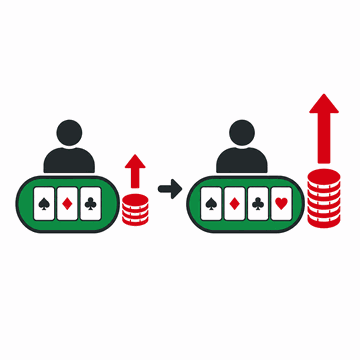
This is one of the most important scenarios. When a Kuwaiti player places a small bet on the flop and then clearly increases the amount on the turn, it may mean that the new card improved their hand or that the board has become more dangerous and they want to protect what they have.
For example, if the flop contains 8, 9, and K, and a 10 appears on the turn, the new card may create straight possibilities. Increasing the bet in this situation may mean that the player genuinely improved their hand or that they are trying to represent this strength.
Best Possible Decision
Review the turn card before making a decision. Ask whether this card genuinely helps the player’s range and whether it is consistent with how they entered the round. If the answer is yes and your hand is only average, folding may be the best decision.
If the player uses this pattern whenever a threatening card appears, your approach to observing your opponents should change. Calling with a suitable hand may be possible, especially if you notice that they stop on the river when the pressure does not work.
A Large Bet on the Flop Followed by a Check on the Turn
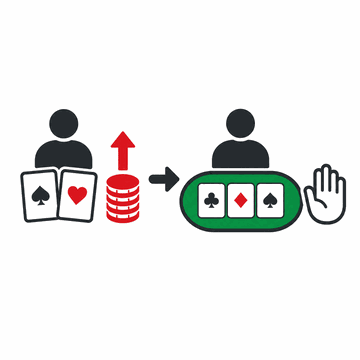
When a Kuwaiti player places a large bet on the flop and then stops on the turn, they may have tried to end the round early but failed to achieve the desired result. When you are trying to read your opponent, this action may indicate an average hand or an unsuccessful bluff attempt.
However, there are other possibilities. The player may have a good hand and want to control the size of the pot, or the turn card may be unfavorable for them.
Best Possible Decision
If the turn card does not help the player’s range and they show clear hesitation, you can place a calculated bet. Do not exaggerate the amount because the goal is to take advantage of the pause without turning the round into a major risk.
If the Kuwaiti player raises the bet after your move, you should step back and reassess the situation. Reading opponents in online poker requires paying attention to sudden changes, not only the first move.
Checking and Then Raising the Bet
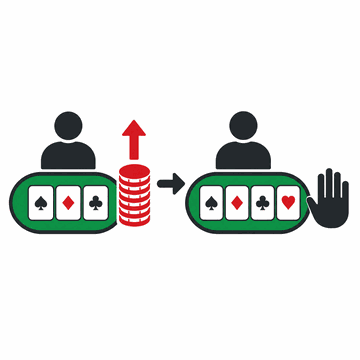
Checking and then raising is a move that deserves attention. When reading opponents in online poker, this move often means that the Kuwaiti player was waiting for you to open the betting. They may have three of a kind, two pairs, or a strong hand that needs protection.
However, this move can also be used with a flush draw or a strong straight draw. Some Kuwaiti players raise after checking because they have more than one opportunity to improve, or because they know that you frequently bet after a check.
Best Possible Decision
If you only have a weak or medium pair, do not call automatically. Compare the size of the raise with the strength of your hand and your chances of improving. If the raise is large and the player is usually cautious, folding may be the better option.
If you have a strong chance of completing a flush or straight and the raise size is reasonable, you can call. However, you should know in advance what you will do if the next card does not help you.
Calling on the Flop and Turn Before Betting on the River
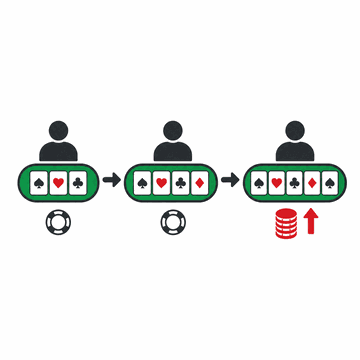
When a Kuwaiti player calls twice and then suddenly starts betting on the river, you should carefully review the final card. When reading opponents in online poker, the player may have been waiting to complete a flush or straight before betting after obtaining the required hand.
They may also have a medium pair and decide to bet because you stopped applying pressure. They may also use the river to bluff if they notice that you are uncertain about your hand.
Best Possible Decision
Do not call out of curiosity. First, identify the hands the player could use to beat you, then compare them with the hands they may use to bluff.
If the river card completes an obvious flush or straight and is followed by a large bet, folding becomes a logical option with a medium hand. However, if the final card does not change anything important, calling may be possible if you have a suitable hand and previous observations indicating frequent bluffs.
Checking on the Flop and Turn Before Placing a Large Bet on the River
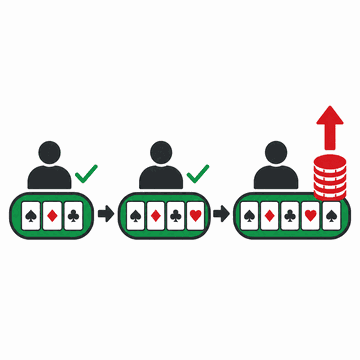
When a Kuwaiti player chooses to check twice and then places a large bet at the end, they may have obtained a strong hand on the river or noticed the absence of pressure from you and decided to steal the pot.
When reading opponents in online poker, this move becomes more suspicious if the river card does not change anything. However, if it completes a flush or straight, the bet may be consistent with a strong hand that arrived late.
Best Possible Decision
Ask what the Kuwaiti player can logically represent. If there is no clear hand that matches the large bet, calling may be possible with a medium hand. However, if an obvious possibility has been completed, do not call unless your hand can genuinely compete against the likely value range.
A Large Raise Before the Flop Followed by Repeated Pressure
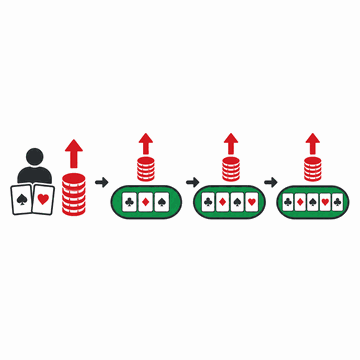
A player may raise aggressively before the flop and then continue betting at every stage. When reading opponents in online poker, this pattern may indicate a very high pair such as AA or KK, or a strong hand that improved after the flop.
However, some players use this approach with high cards that did not improve because they rely on psychological pressure and gradually increasing the size of the pot.
Best Possible Decision
Do not continue calling with a medium hand simply because you already contributed part of the pot earlier. Evaluate each stage separately. If your hand does not improve and the player shows no hesitation, folding becomes a better option than chasing an uncertain outcome.
A Very Small Bet on the River
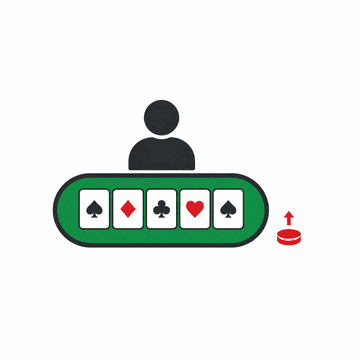
A very small bet on the river may appear weak, but it requires a careful read. When reading opponents in online poker, the player may be trying to obtain an easy call with a good hand or placing a cheap bet to prevent you from raising.
It may also be a low-cost bluff attempt, especially if the pot is small and the player does not want to risk a large amount.
Best Possible Decision
If your hand can win against a reasonable portion of the player’s range, calling may be acceptable because of the low price. However, do not raise unless you have a strong hand or have noticed that the player folds to raises on the river.
Quick Table for Understanding Patterns
This table helps you read opponents in online poker more quickly while playing:
| Pattern | Most Likely Possibility | Alternative Possibility | Safest Decision |
| Raise before the flop followed by a bet after the flop | Strong hand or continuation bet | Structured bluff | Limited call or fold depending on the strength of your hand |
| Small bet followed by an increase on the turn | Improved hand or protection | Pressure using a threatening card | Review the turn card before calling |
| Check followed by a raise | Trap with a strong hand | Flush draw or straight draw | Avoid calling automatically |
| Call twice followed by a bet on the river | Completed draw | Bluff after you stop applying pressure | Pay attention to the river card |
| Large bet followed by a pause | Attempt to end the round early | Pot-size control | Use a small bet if the situation is suitable |
| Check twice followed by a large bet | Hand completed late | Attempt to steal the pot | Compare the bet with what changed on the river |
What Do Repeated Decisions Reveal?
The real value of reading opponents in online poker does not become clear from a single round. You need to observe what the player repeats. When they use the same action in more than one situation, the decision shifts from a passing possibility to a pattern that can be used to your advantage.
Folds Under Pressure
If a player enters many rounds but folds when the bet increases on the turn, their weakness may be clear. Reading opponents in online poker can help you use a calculated raise in suitable situations.
Do not use the move in every round because the Kuwaiti player may notice the pattern and change their approach.
Always Uses the Same Bet Size
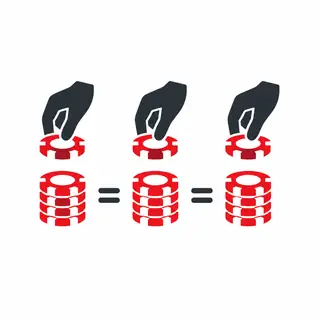
Some Kuwaiti players use half the pot in every situation, whether their hand is strong or weak. In this case, the bet size alone does not provide enough information.
When reading opponents in online poker, focus on other details such as decision timing, position at the table, and whether the player continues betting on the turn and river.
Raises Only on the River
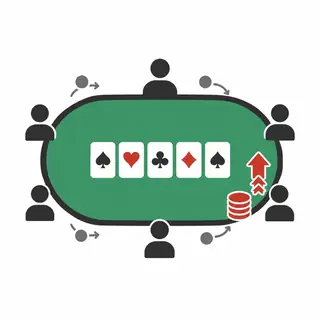
If a player remains quiet throughout the round and only raises on the river, pay attention to the results of rounds that reach the showdown. This pattern may consistently be linked to a strong hand.
If the observation is confirmed, reading opponents in online poker becomes useful for reducing losing calls on the river.
Repeatedly Bluffs After Check
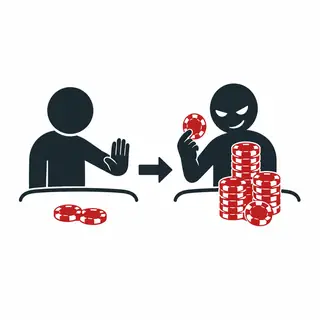
Some Kuwaiti players may notice that you check frequently and try to steal the pot with a direct bet. If this happens repeatedly, you can check with a strong hand and allow them to bet.
This is a practical example of reading opponents in online poker: do not change your approach randomly. Use the player’s habits against them.
Notes You Should Record
You do not need to write a long report about every player. Use short notes that can help you in later rounds:
- Folds on the turn: enters before the flop but does not handle additional pressure after the flop.
- Raises on the river: usually waits until the end of the round before using a large bet.
- Quick call: calls quickly with flush or straight opportunities.
- Fixed bet: does not change the bet size significantly, so do not rely on the amount alone.
- Pressure after a loss: becomes more aggressive after losing a large pot.
- Checks with strength: checks with a good hand to encourage a bet from the other side.
These notes make reading opponents in online poker more practical than using general descriptions such as a strong player or a weak player.
Tips for Reducing Losses
- Limited pot: Do not inflate the pot with a medium hand against a player who continues applying pressure at every stage. Reading opponents in online poker is not useful if you ignore clear signals out of curiosity.
- Calculated call: Before calling, ask what could happen in the next stage. If you plan to fold to any new bet, folding early may be better.
- Fewer tables: Start with one table or a limited number of tables. The more distracted you become, the lower the quality of your ability to read opponents.
- Stop after a loss: Do not try to recover your chips immediately after a major loss. When your mood changes, observing your opponents turns into emotional decision-making. It is also useful to set limits for your time and budget in advance, as explained in the responsible gambling guidelines.
- Review the river: Review rounds that reached the river after you finish playing. This stage reveals whether your read was logical or based on a weak assumption.
- Change your assumption: Do not hold on to an old read if the player’s approach changes. You should keep updating and adjusting the way you read your poker opponents because the same player may change their style during the session.
Conclusion
Reading opponents in online poker depends on analyzing the sequence of decisions, not a single move. Pay attention to the raise before the flop, the bet size on the flop, the change on the turn, and the player’s actions on the river. Compare each move with what happened before it, then review whether the player repeats the same behavior in other rounds.
For Kuwaiti players, it is easy to develop the ability to read opponents from a mobile device or computer. Start with a limited number of tables, record short notes, and do not enter a large pot without a clear reason. This approach turns this strategy into a tool for making better decisions and reducing unnecessary losses.
Frequently Asked Questions About Reading Opponents
Can you know an opponent’s cards with certainty?
No. Reading opponents in online poker helps narrow down the possibilities, but it does not reveal a player’s cards with certainty.
What is the most important pattern to observe?
Pay attention to changes between the flop, turn, and river. Reading opponents in online poker becomes more accurate when the bet size or decision speed changes unusually.
Does checking and then raising always indicate a strong hand?
No. It may indicate a strong hand, a flush draw, a straight draw, or a bluff attempt. The move should be linked to the context and the player’s previous actions.
Can you read opponents from a mobile device?
Yes. Reading opponents in online poker is possible from a mobile device if you focus on a limited number of players and do not open too many tables.
Are short notes genuinely useful?
Yes. A note such as folds under pressure on the turn or raises only on the river helps you make faster decisions in later rounds.



 Online Poker Sites
 Live Poker
 Poker Strategy
 Poker Games
 Poker Texas Holdem
 Blog
Blog